Croatia is located between East and West Europe and have been used during centuries as a transit country. Thereby several cultures came in contact with each other. Several cultural influences have contributed to the history of the country.
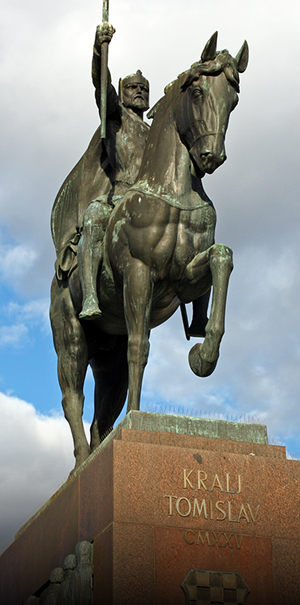
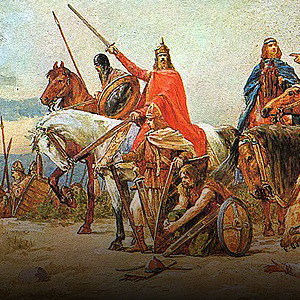
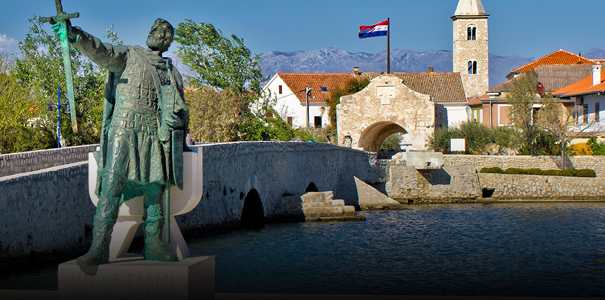
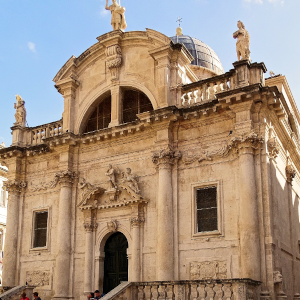
The history of Croatia returns almost as far as humanity himself. Current Croatia was inhabited in pre Historic period by the Illyrics. It was incorporated in 35 before Christ by Octavianus as Pannonian, which was a part of the Roman empire. In the 7th century Croatia was conquered by Slavonian tribes. In the 10 th century Tomislav (king in 924) made himself and Croatia independent. Also at that time Venice conquered the coast area. The influence of Italian construction art is still visible in the Croatian coast places.
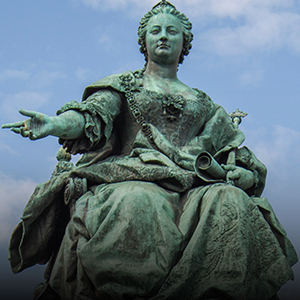
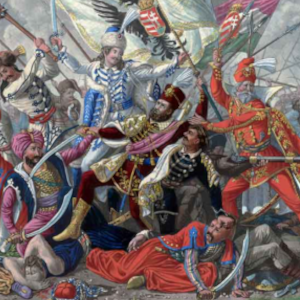
In 16 th and the beginning of the 17 th century Croatia had been conquered by the Turks (current Bosnia). The coast places and the islands remained Venetian. In 1699 Croatia became Austrian and 1779 Croatia was administratively joined at Hungary. Under the influence of the French revolution a national Croatian movement rose. After the French revolution the largest part of Croatia (except a part of Dalmatia) was incorporated by the Hungarian. The Croatian national movement fought especially against Budapest until 1868, when Croatia got a certain degree of autonomy. During the first world war a part of Croatia chose for an Yugoslavian kingdom governed by the Serbian dynasty.
Another part of Croatia was leaded by the extremist Ustasa-movement, which were supported by Italy and Hungary. This movement was responsible for the assassination of king Alexander in 1934.
When the Germans attacked the region in 1941 the most Croatian people had a waiting attitude. From Italy came the Ustasa-leader Ante Paveliæ and he became prime minister of Croatia in April 1941. Paveliæ enjoyed some time wide recognition. During this regime many people overflowed to the partizan with the leading Josip Broz Tito. Paveliæ and a some friends and relatives fled the country in May 1945.
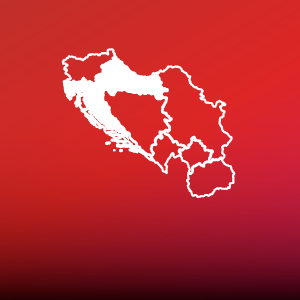
After the second world war Croatia took part of the federation
Yugoslavia. At the end of the years eighty the traditional antagonisms
between the different populations arose. Under the influence of
Slobodan Milosevic the Serbian predominance grew and the resist from
Croatia against this predominance grew rapidly. Not long after this the
riots and political tensions began. In 1989 Croatia introduced a new
law and explained in December 1990 itself sovereign. Croatia was
recognised on 15 January 1992 as an independent state by the European
community. Germany, Hungary and Italy took diplomatic relations at
first states. The president of the new republic of Croatia was Franjo
Tudjman, leader of the governing Croatian nationalist party HDZ
(Hrvatska demokratska zajednica, the Croatian democratic Union).
The System of State
Economy and Business
Geography and Nature
Science and Education
Arts and Culture
History and Homeland War
Sport
Cities and Counties
Counties
Cities
Croatian People
Maps of Croatia